

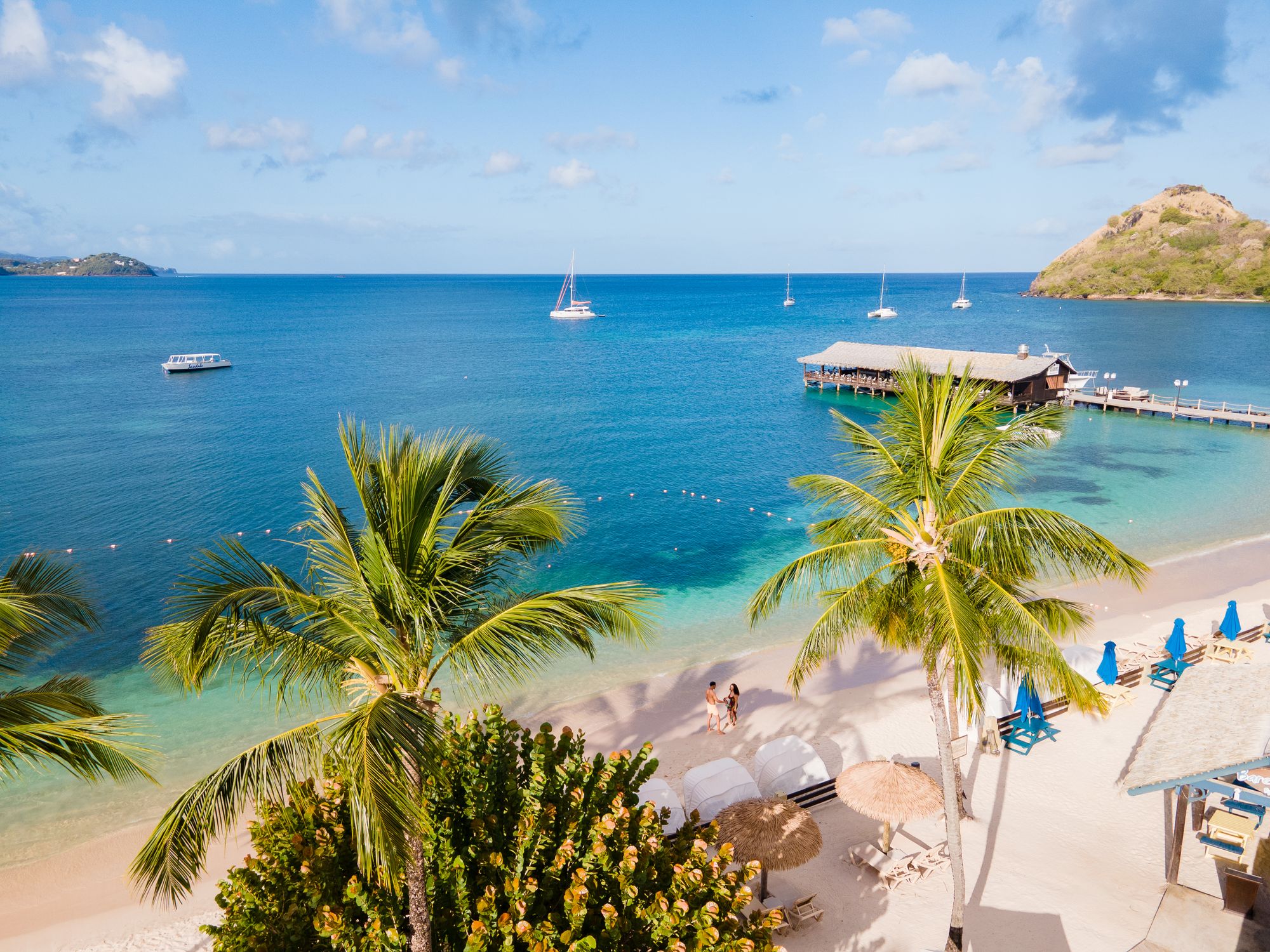
Kwéyòl is the lifeblood of Saint Lucia. It’s historic, deeply private, and filled with persona. From native fishing villages to Saint Lucian communities abroad, this vigorous language has a manner of bringing individuals collectively wherever they go.
Everybody has their very own story in the case of Kwéyòl. Some grew up listening to extra Kwéyòl than English round the home. Others, myself included, largely heard it when the adults wished to cross a message the youngsters positively weren’t supposed to grasp. Spoiler alert: we normally figured it out anyway.
By the point most Saint Lucians reached secondary faculty, they’d picked up sufficient Kwéyòl to acknowledge the fundamentals, catch the vibe of a dialog, or know when anyone within the room was being talked about. Issues like “Bondyé!” when one thing goes unsuitable, “Soley cho wi!” on a blazing afternoon, and even the unofficial nationwide phrase we’ll get to later on this submit all carry a distinctly Lucian taste. These expressions naturally discover their manner into on a regular basis island life.
Image: Saint Lucian Kwéyòl. Study a couple of phrases earlier than your all-inclusive vacation, and one thing shifts. The conversations get hotter, the laughter comes simpler, and all of a sudden you are not simply visiting the island. You are a part of it.
In the event you’re nearly heading off to Saint Lucia, consider this as your simple introduction to Saint Lucian Kwéyòl, often known as Patwa. On this submit, we’ll discover slightly of the island’s historical past in the case of language. We’ll additionally share frequent phrases, sayings, and phrases you’re prone to hear throughout your keep.
Let’s get into it…
TLDR
What language is spoken in Saint Lucia?
Saint Lucia is especially English-speaking, however on a regular basis life is formed by Saint Lucian Kwéyòl, a French-based Creole, together with native slang, sayings, and expressions. This information breaks down what Kwéyòl is, the way it sounds, fashionable phrases, on a regular basis phrases, and some sensible island sayings you’ll hear throughout the island, so that you’re not simply visiting… you’re selecting up the rhythm too. Get absolutely into it as you discover with our listing of thrilling things to do in Saint Lucia.
What Is Kwéyòl?

5D Media/www.shutterstock.com.
Saint Lucian Kwéyòl, additionally referred to as Patwa by locals, is a French-based Creole language formed by centuries of African, French, and Caribbean influences. It sits alongside English as a part of on a regular basis life on the island and stays one of the vital vibrant expressions of Saint Lucian identification. Most individuals on the island be taught it by ear relatively than from any textbook, and you’ll discover that it sounds barely totally different relying on which village or group somebody comes from.
For a very long time, Kwéyòl was regarded down upon in formal settings, handled as lower than Normal English in colleges and workplaces. As we speak, that story has utterly flipped. Saint Lucians rejoice the language with delight, and the island goes all in on that delight each October throughout Jounen Kwéyòl, or Creole Heritage Day. It is without doubt one of the liveliest cultural celebrations on the island, with madras material flying, bouyon effervescent, cocoa tea pouring, and conventional music filling each nook of the island. In the event you occur to be visiting throughout that point, contemplate your self fortunate.
One factor price realizing earlier than we go any additional: Kwéyòl spelling will not be at all times constant as a result of a lot of the language has been handed down by speech relatively than writing. You will notice phrases spelled other ways relying on who’s writing them. Don’t let that throw you off. Give attention to the sound, and also you’ll be simply high-quality.
How Kwéyòl Sounds
A number of fast ideas that will help you sound like you already know what you’re doing. “Ou” seems like “oo” as in “moon.” “É” seems like “ay” as in “say.” “È” is softer, like “eh.” “J” has a tender French-style sound, just like the “s” in “measure.” Many phrases carry French roots however land with a totally Caribbean vibe. The grammar tends to remain unfastened and musical, and tone adjustments every part. Half the which means of any Kwéyòl phrase comes from the way it lands within the room.
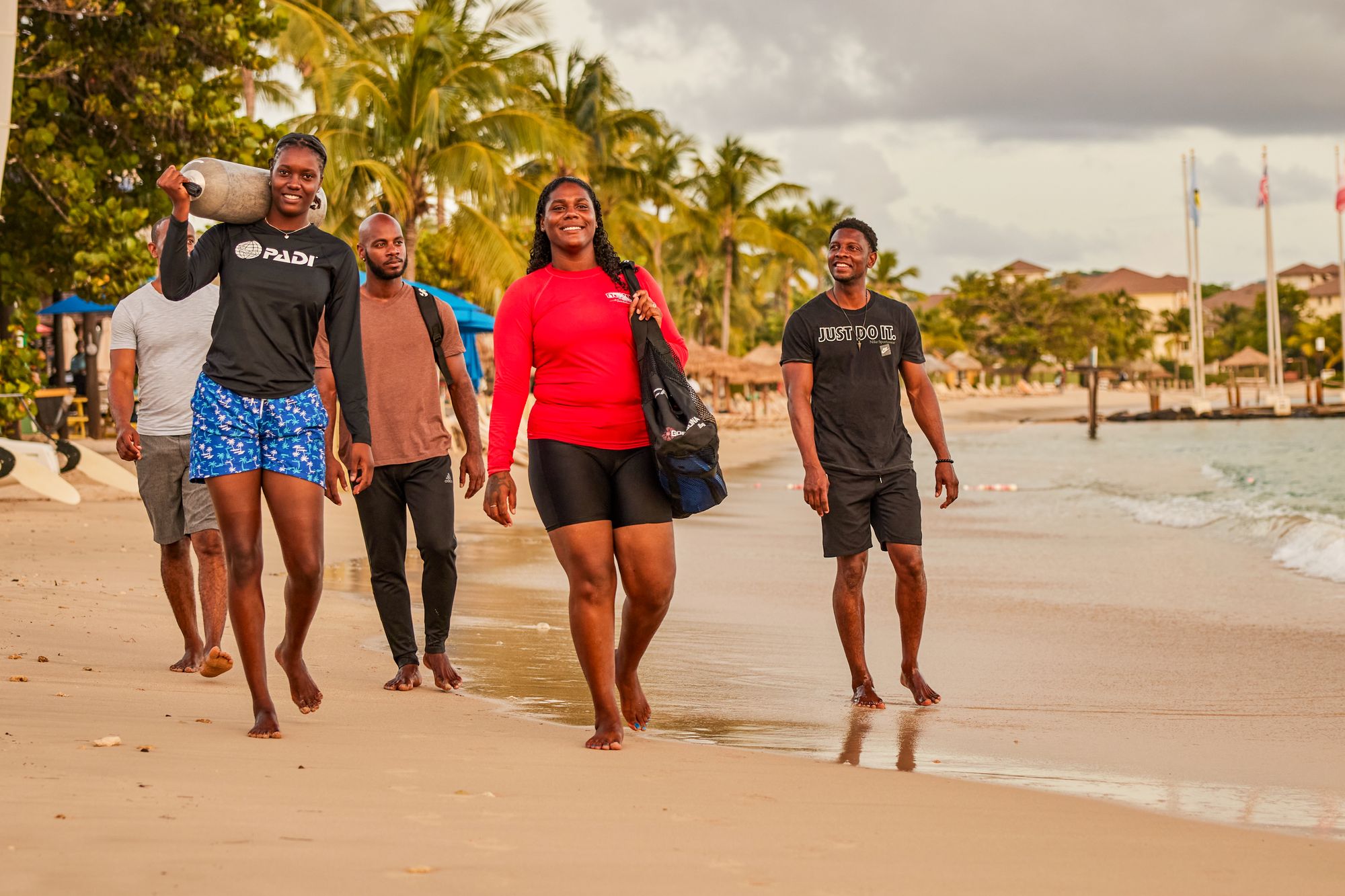
Oh, and even when Saint Lucians aren’t talking Kwéyòl, a few of these issues nonetheless creep into the native lingo. Eh, ee, uh, or ih are added to the tip of most sentences, a refined however deeply cultural behavior that retains dialog heat, fluid, and related. You would possibly hear somebody wrapping up a narrative with a tender “ee,” or throwing an “uh” on the finish of a query that doesn’t really want a solution. And as a Saint Lucian myself, I’ll inform you actually that that is very fluid. What you hear is determined by the place you’re, who you’re with, and the way the vitality within the room sits. When you decide up on it, you will begin listening to it all over the place.
The Most In style Saint Lucian Kwéyòl Phrases
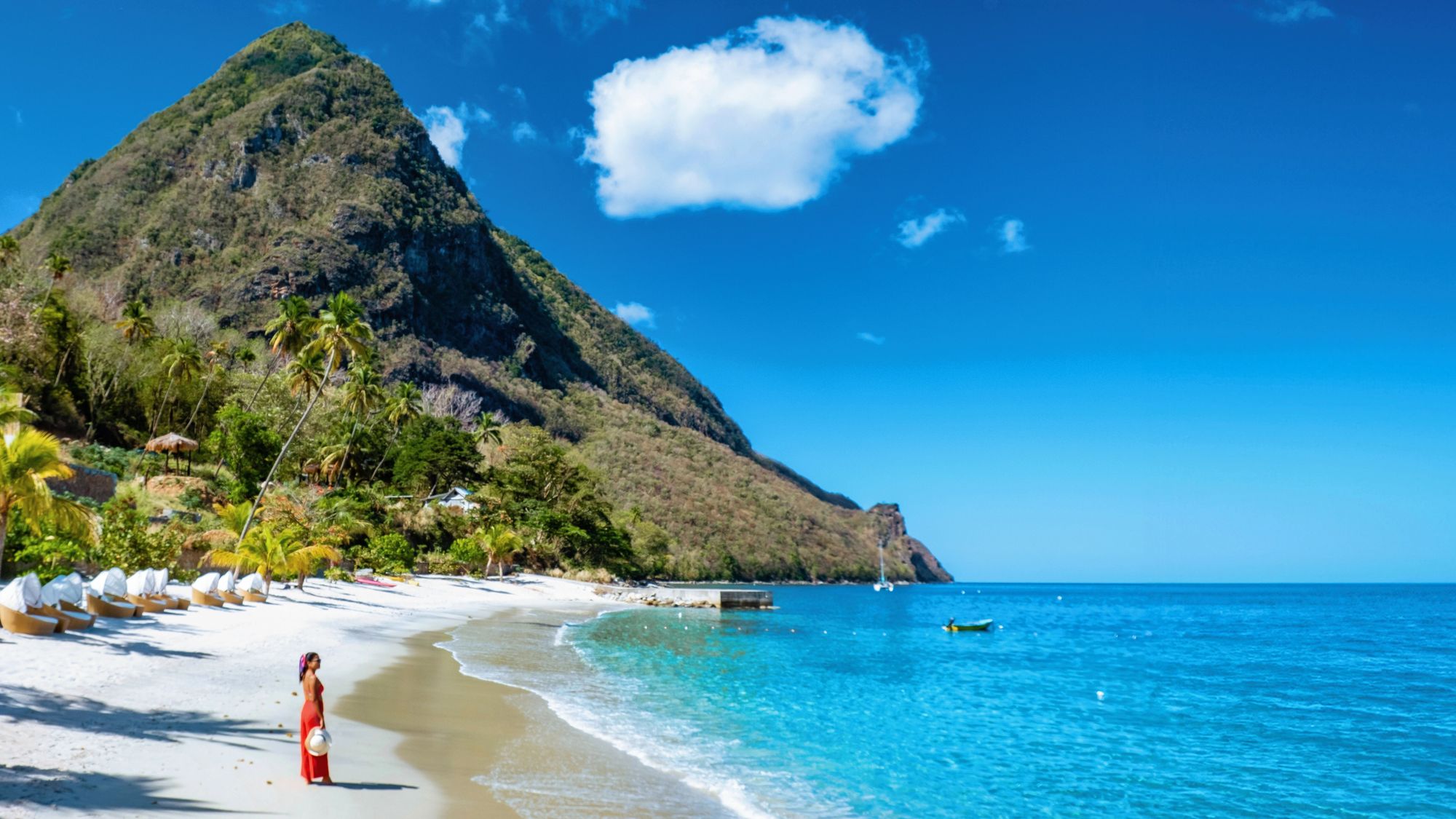
fokke baarssen/www.shutterstock.com.
Right here we’re, the second that’ll take you from customer to full-blown “Bathroom-shan” very quickly. These are among the phrases you’re almost definitely to listen to as you lime, discover, and chat your manner across the island:
‘Sa ka fèt?’
That is your go-to greeting in Saint Lucia. “Sa ka fèt?” pronounced sah kah fet, interprets actually to “What’s occurring?” however capabilities precisely like “What’s up?” or “How are issues?” You’ll hear this one all over the place, from the market to the seashore bar to an informal stroll by Castries. A strong response is “Tout bagay bon,” which means every part is sweet, or just “Mweh la,” which means I’m there and I’m high-quality. Both one will earn you a smile.
‘Ki mannyè?’
One other heat and extensively used greeting, “Ki mannyè?” pronounced kee man-yair, means “How are you?” It carries a delicate, acquainted vitality, the sort you utilize with somebody you already know or somebody you’re genuinely comfortable to see. It’s a step up in heat from a easy good day.
‘Bondyé’
From the French “Bon Dieu,” which means Good God, “Bondyé” pronounced bon-dyay, has turn into a totally Saint Lucian expression of shock, frustration, aid, or simply normal feeling. You’ll hear it mentioned softly in prayer and loudly in site visitors. “Bondyé bon,” which means God is sweet, is without doubt one of the most typical phrases on the island. If one thing surprising occurs, you’ll hear “Bondyé!” fly out of somebody’s mouth earlier than they even end processing what occurred.
‘Toujou la’
Pronounced too-zhoo lah, which means at all times there, at all times within the combine. This one is for that one that exhibits up at each single occasion with out fail. “Gasa, ou toujou la wi!” Stated with a smile, it’s equal components praise and tease, and whoever it’s geared toward normally owns it utterly.
‘Mwen ka vini’
That is the Saint Lucian cousin of the Jamaican “Mi quickly come.” “Mwen ka vini,” pronounced mwen kah vee-nee, means I’m coming. The catch, as any Saint Lucian will inform you with a smile, is that “coming” on island time can imply 5 minutes or two hours. The solar is heat, the conversations are lengthy, and no person is speeding. If somebody says “Mwen ka vini,” pour your self one other ti punch and benefit from the second.
Professional tip: Need to be taught extra about island lingo? Try our submit on Jamaican Slang: Patois Words, Sayings & Phrases.
‘Annou alé!’ (ah-noo ah-lay)
Let’s go! A rallying cry, a name to motion, pure island vitality in two phrases. You say it when the group is dragging their ft, when the fête is looking, when everybody is prepared however no person is shifting. It’s the sort of phrase that will get the entire room off the sofa, and on this island, that may be a ability in itself.
Frequent Saint Lucian Sayings and Phrases

vystekimages/www.shutterstock.com.
Let’s get slightly extra acquainted. Listed here are among the phrases you’re prone to hear whereas liming round Saint Lucia, from roadside chats to seashore bar banter. Don’t fear, you don’t must grasp them abruptly, simply have enjoyable with it.
‘Soley cho wi!’
Pronounced soh-lay present wee, this interprets to “The solar is de facto sizzling!” It seems like a easy climate report, however on a Saint Lucian afternoon when the warmth is severe, it turns into a full communal expertise. Strangers agree on it. Pals lament it collectively. Distributors announce it from their stalls. It’s a bonding phrase disguised as a climate statement.
‘Ou pa las palé?’
Pronounced oo pah lass pah-lay, this one interprets to “You not uninterested in speaking?” and is without doubt one of the funniest phrases within the native arsenal. It’s what you say to somebody who simply is not going to cease. The long-winded buddy, the individual retelling the identical story for the third time, the one who retains including new particulars after you thought the dialog was over. Saint Lucians ship this one with a smirk, and it lands each time.
‘Ca shou wi!’
Pronounced kah shoo wee, because of this is sizzling. However sizzling right here covers a number of floor. It might probably imply the meals is actually on hearth, the solar is unforgiving, a scenario is getting tense, or somebody simply did one thing spectacular. Context does all of the work. The “wi” on the finish is traditional Saint Lucian emphasis, a tender affirmative tag that punches up no matter simply got here earlier than it.
‘Pa di mwen’
“Don’t inform me!” A traditional response to juicy information, island gossip, or something laborious to imagine.
‘Pa di mwen ou djòs la wive’
Don’t inform me you simply acquired right here!” Usually mentioned with shock when somebody arrives unexpectedly, particularly in the event that they’ve been gone for some time. You may additionally hear the shorter model, “Ou djòs wive?”
‘Zafè moun’
Different individuals’s enterprise, drama, and the gossip no person was alleged to repeat… however one way or the other all people already is aware of.
‘Tout moun’
Means all people. The sort of phrase you’ll hear when the music begins, the meals comes out, or all of a sudden the entire island appears to know what’s occurring.
Humorous Saint Lucian Expressions
These phrases are proof that half the which means of Saint Lucian Kwéyòl expressions are in how they land. In the event you can grasp these, they’re going to add some spice to your conversations on island.
‘Meme bête meme pwel’
Actually “identical beast, identical hair.” A colourful technique to say, “We’re the identical,” or “That’s precisely what I simply mentioned.”
‘Ou pa ka tann?’
Pronounced oo pah kah tann, this implies “You not listening to?” or “Are you listening?” It’s what dad and mom say to kids who ignore them 3 times. It’s what you say to a buddy who retains asking the identical query after you already answered. Delivered with the correct amount of drained vitality, this phrase communicates every part with no single further phrase.
‘M’a laj ou’
This one interprets to “I’m not your age,” and it means far more than the literal translation. It’s what an elder says to close down somebody who’s attempting to be too acquainted, too daring, or too disrespectful. It carries actual authority. A number of phrases, a glance, and the dialog is over.
‘Tjenbé brèk’
You would possibly hear this as chebe brakes or shebe brakes. Means decelerate, ease up, pull it again. From Kwéyòl tjenbé (to carry; to restrain). Used when somebody is getting too hype, overthinking, or taking issues a step too far: “Gasa, shebe brakes nah.”
‘Pa tjenbé mwen’
Don’t maintain me. Used when somebody desires to interrupt free from a scenario, stress, or something getting slightly too messy. Typically mentioned if you end up stepping away earlier than issues flip into full island drama.
Not So Kwéyòl, However Nonetheless Lucian

Sulemana Pictures/www.shutterstock.com.
What are some humorous Saint Lucian phrases vacationers ought to know? It is a frequent query requested by vacationers forward of a go to to this island recognized by many because the Helen of the West. Listed here are among the hottest phrases you would possibly hear whereas there. These ones lean extra island English than Kwéyòl, however they’re simply as Lucian.
‘Jimmy flix’
This one may be very Saint Lucian and really particular. To “jimmy flix” means to squeeze, pressure, or match one thing into an area or scenario the place it actually has no enterprise going. “I deh saying how I going to jimmy flix into dat park” means I used to be simply attempting to determine methods to squeeze into that parking spot. “Mate, do one jimmy flix deh” signifies that man did one thing and I don’t even know the way. It’s inventive, it’s cussed, and it is vitally a lot a neighborhood resolution to a good spot.
‘Makak’ (mah-KAK)
Actually “monkey,” however extra generally used as an insult for somebody performing silly, annoying, immature, or clownish. Relying on the tone, it could vary from playful teasing to an actual cut-eye remark.
‘Maycia!’
This one is difficult to pin down with a single translation as a result of it does a lot relying on tone. “Maycia!” pronounced may-see-yay, can imply wow, take a look at that, oh my goodness, or simply pure unfiltered response to no matter simply occurred. You’ll hear it shouted at roadside rum outlets when somebody hears a superb piece of gossip, at a fête when the music drops, and on the roadside when somebody spots one thing surprising. You may additionally hear, “Weh maycia!”, for whole exasperation.
‘Awa!’
Pronounced ah-wah, that is the island’s agency no. Not impolite, not aggressive, simply sure. No manner, completely not, neglect it. You would possibly hear it prolonged into “Awa, pa di sa,” which means come on, do not say that, or only a single “Awa!” that closes the dialog utterly. The tone shifts barely each time however the vitality by no means does.
‘Gasa, I eh on dat vibe’
“Gasa” by itself means buddy, companion, bro, bredren. It’s a kind of phrases that exhibits up in virtually each informal dialog. “I eh on dat vibe” means I’m not feeling that, not , or rely me out. Collectively they kind the right low-drama exit from any scenario. No argument, no clarification. Simply “Gasa, I eh on dat vibe.”
‘Abeh look it!’
Pronounced ah beh look it, this phrase interprets roughly to “Properly would you take a look at that!” It’s a response to one thing surprising, whether or not it’s gossip, a humorous coincidence, or simply one thing stunning sufficient to cease the dialog. The tone swings between amused and genuinely shocked, and it pairs superbly with “Maycia!” when one thing is really an excessive amount of to course of quietly.
‘You speaking mahjé’ (mah-ZHAY)
You are speaking nonsense / you take me for a idiot. “Mahjé” comes from “manger,” the French phrase for meals or to eat, however in Saint Lucian avenue language it means garbage, nonsense, or one thing that insults your intelligence.
‘You deh like you’ve gotten two left palms’
That is the island English-Kwéyòl mix model, mentioned to somebody who’s clumsy, incompetent, or simply completely hopeless at one thing, driving included.
‘Pah fear’
Don’t be concerned. Easy, heat, and mentioned with that calm island reassurance that makes you really imagine every part goes to be high-quality. Can even have a duel which means, relying on the way it’s mentioned. “Pah fear…” mentioned slowly, with a glance. That means I’m going to deal with this my very own manner, do not get entangled, depart it with me.
‘Doh burst your head’
Do not overthink it, do not stress your self out, do not let an issue take over your complete thoughts. Saint Lucians have by no means seen the purpose in torturing your self over one thing you can not management, and this phrase carries all of that knowledge in 4 phrases.
‘Put me dong’
Take me out of this, I don’t need any a part of it. Island English used when somebody is being dragged into one thing they need nothing to do with. “Awa, put me dong wi!” is an entire sentence in its personal proper.
‘Bobolist’ (boh-boh-LIST)
A scammer, a corrupt individual, somebody who video games the system for private acquire. The phrase has roots in Caribbean Creole and means somebody who engages in fraud, particularly these in positions of energy who actually ought to know higher.
Fast Chat: Saint Lucian Phrases On the Go

JLco Julia Amaral/www.shutterstock.com.
Right here’s a fast walk-through of some phrases, reactions, and little island sayings that one way or the other do so much with little or no. Some are playful, some dramatic, and a few can clarify a complete scenario in simply two phrases.
‘Aa!’ — A fast burst of shock, disbelief, pleasure, or pure response. One little phrase that one way or the other says every part.
‘Costume dong’ — Transfer over and make some room. Normally mentioned when anyone taking on manner an excessive amount of house. You would possibly hear this on a neighborhood bus.
‘Shut on that’ – Flip the quantity down earlier than the entire neighborhood joins the dialog too.
‘You barrying me’ – You’re blocking my view. Sibling TV rivalry.
‘Sa sho’ – Issues heated, messy, or further vigorous. Generally mentioned after listening to the most recent island story or commess.
‘Sizzling already’ — Already tipsy, absolutely within the vibe, or having slightly an excessive amount of enjoyable early within the night time.
‘Verify de scene’ — Learn the room. See what’s actually occurring earlier than leaping in.
‘Scene sizzling’ — The vibes loud, the drama lively, or the vitality within the place all of a sudden turned all the best way up.
‘If I inform you…’ — The common warning that the story about to observe is wild.
‘Jus co ça?’ — “identical to that?” Normally mentioned after listening to a narrative that sounds too sudden, too simple, or slightly laborious to imagine. Additionally used when anyone does one thing utterly random and leaves all people else confused.
‘Lanmen gained’ — a hopeless driver. The sort of one that makes each journey really feel like an journey you didn’t ask for. Used jokingly for somebody who simply doesn’t fairly have the street discovered.
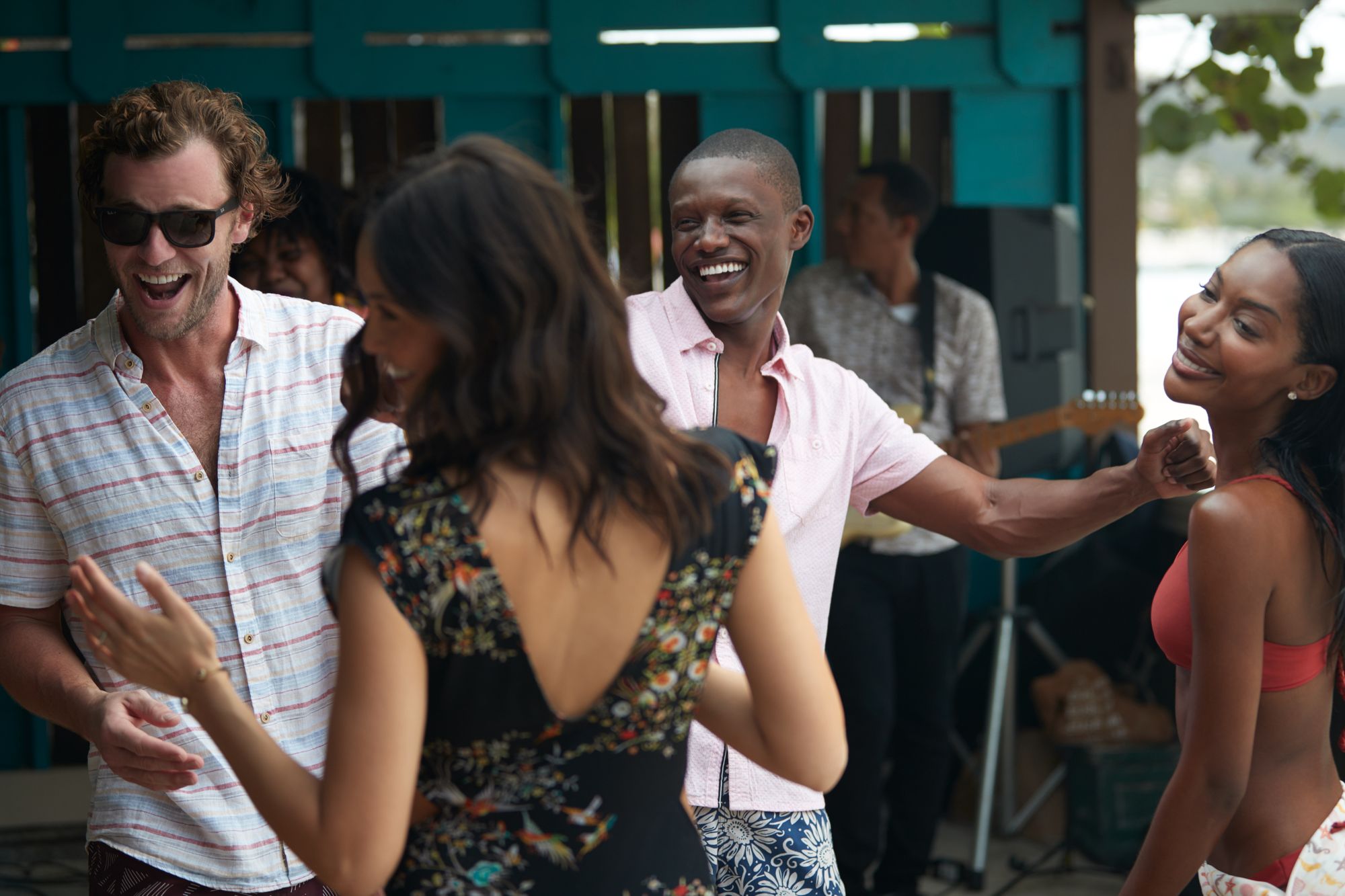
‘Tuxedo’ — island slang for prime heels. As a result of when the heels come out, it’s not informal… it’s a full-on event.
‘Dawn’ — when the night time stretches so lengthy the solar exhibits up uninvited. In the event you made it to dawn, you weren’t simply out… you have been liming until dawn and amassing tales price retelling.
‘Convey a bottle’ — a correct Caribbean fête transfer. For all these occasions, individuals present up with their very own bottle, and the music takes care of the remaining.
‘shease’ — Low-cost. The buddy who all of a sudden forgets their pockets each time the invoice comes? Twòp shease.
‘Go pwel’ — Heartbroken, damage, or deep in your emotions after romance goes sideways.
‘Shee vay tac tac’ – That one cussed hair sticking straight up regardless of how laborious you sweep it down. Each island household is aware of the wrestle.
‘Woy, mi soaps or AA, mi soaps’ – Look soaps (tea)! You may additionally hear, “mi row row!” This merely signifies that the information/gossip is attention-grabbing.
‘Bazoudi’ – Surprised, dazed, or utterly thrown off. The sort of feeling after listening to surprising information or waking up from a day nap nonetheless attempting to determine what day it’s. Can even imply drunk.
‘‘Ti-ri-ri’ (tee-ree-ree) — Giddy, goofy, scatterbrained, or performing slightly out of it. Just like bazoudi, however extra playful than shocked.
‘Waj’ (wahj) — Bother, dangerous luck, vexation, or destructive vitality. Can describe somebody going by issues, feeling offended, or carrying dangerous vibes.
‘Brededek’ — damaged down, worn out, and operating on pure island religion. Usually used for outdated vehicles making extra noise than progress. “Dat automobile so brededek, you listening to it earlier than you seeing it.
‘Jusso’ — “simply because” with no additional clarification coming. Typically issues on the island occur jusso.
Clever Saint Lucian Sayings
‘Pwan douvan, avan douvan pwan ou’
“Get forward earlier than forward will get you.” In different phrases, put together earlier than the storm catches you slipping.
‘Avan zaboca té ka bon, makak té ka ni piti’y’
“Earlier than the avocado was ripe, the monkey already had its child.” A saying about studying to make issues work earlier than the timing or circumstances are absolutely proper.
‘Chat pas ca fait chien’
“A cat can’t act like a canine.” Individuals normally present you precisely who they’re.
‘Koul koutla pas ni mak en glo’
“A cutlass slash leaves no mark on water.” Some issues disappear as shortly as they occur, particularly bother that leaves no actual injury behind.
The Unofficial Nationwide Phrase: ‘Hé Salop’
There isn’t any phrase information to Saint Lucia that may depart this one out. “Hé salop,” which comes from the French “salaud” or “salope” which means scoundrel or rascal, has developed into one thing that belongs fully to this island. It has outgrown its unique which means and turn into a common exclamation that Saint Lucians attain for in moments of pleasure, disbelief, frustration, pleasure, and every part in between. At a cricket match when a wicket falls, somebody shouts it. At a soccer sport when a purpose goes in, you’ll hear it throughout the stands. When somebody journeys in a crowd, when the music peaks at a fête, when a narrative takes a wild flip on the rum store, it’s there. Younger, outdated, city or nation, everybody is aware of precisely what it means and precisely when to make use of it. Some phrases belong to a language. This one belongs to a individuals.
Saint Lucian Journey Phrases Value Figuring out
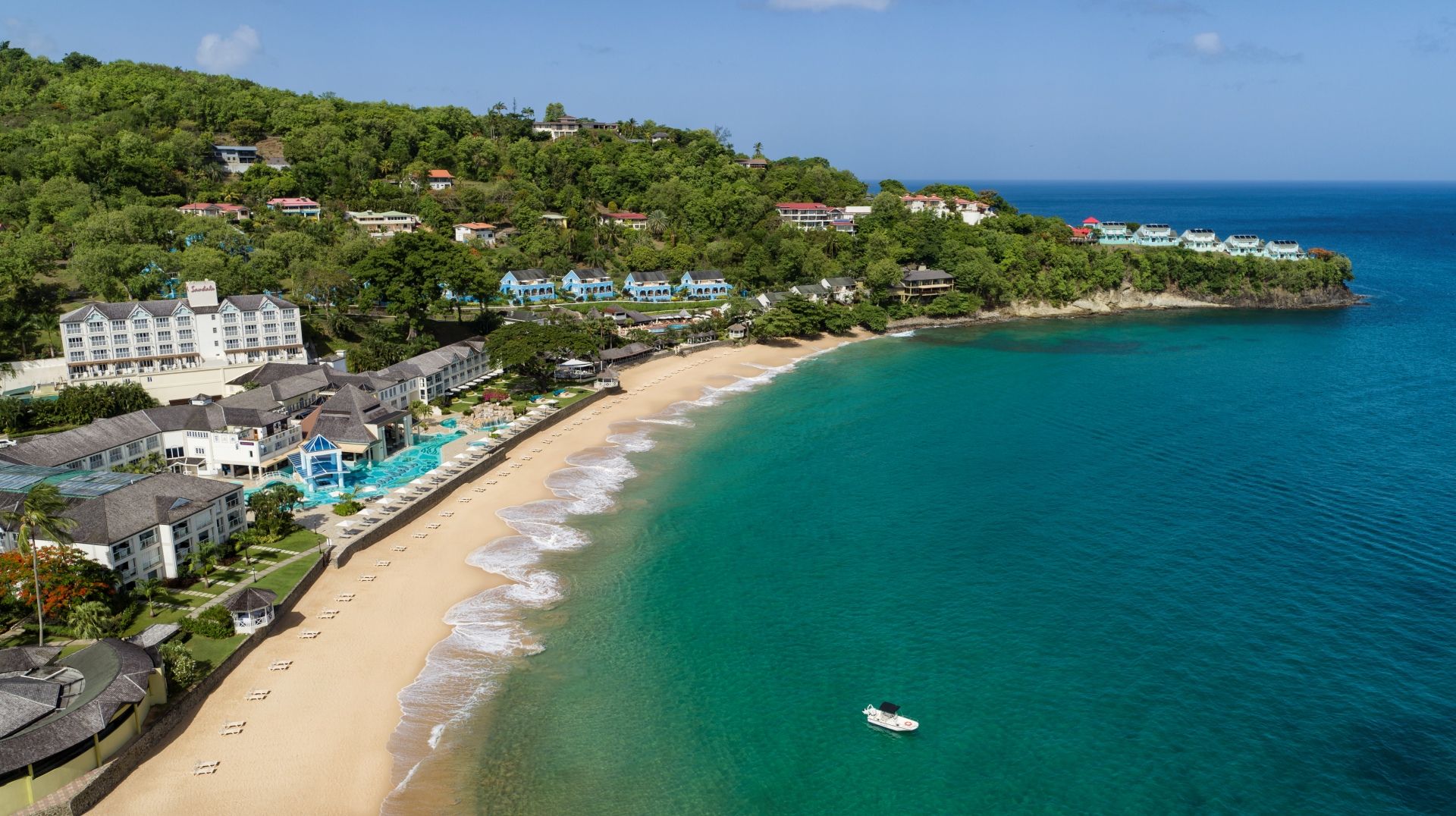
Some Saint Lucian phrases solely begin to make sense when you’re right here, the place inexperienced hills meet calm blue water and each stroll comes with a sea breeze and a view price lingering over. Sandals Regency La Toc locations you proper within the coronary heart of all of it.
By now, you are doubtless pondering there’s much more to Saint Lucian lingo than you anticipated. Forward of a visit to this island, it is good to know that you simply don’t should be fluent to attach with locals. Even realizing a handful of phrases will change the vitality of your complete journey.
Listed here are some easy journey pleasant phrases which will come in useful. “Bonjou” pronounced bon-zhoo means good morning or good day and can at all times get a heat response. “Bonswè” pronounced bon-swair is sweet night. “Mèsi” or “Mèsi an chay” means thanks, or thanks very a lot if you wish to add some heat to it. “Pa ni pwoblem” means no drawback and is principally a lifestyle on the island. “Koté twalèt-la yé?” means the place is the toilet, and realizing this one may prevent at a fête. “Konbyen sa kouté?” means how a lot is that this, and can come in useful at any market or vendor stall. These can take you a good distance as you make your manner across the island.
Words You Will Hear at a Seashore Bar
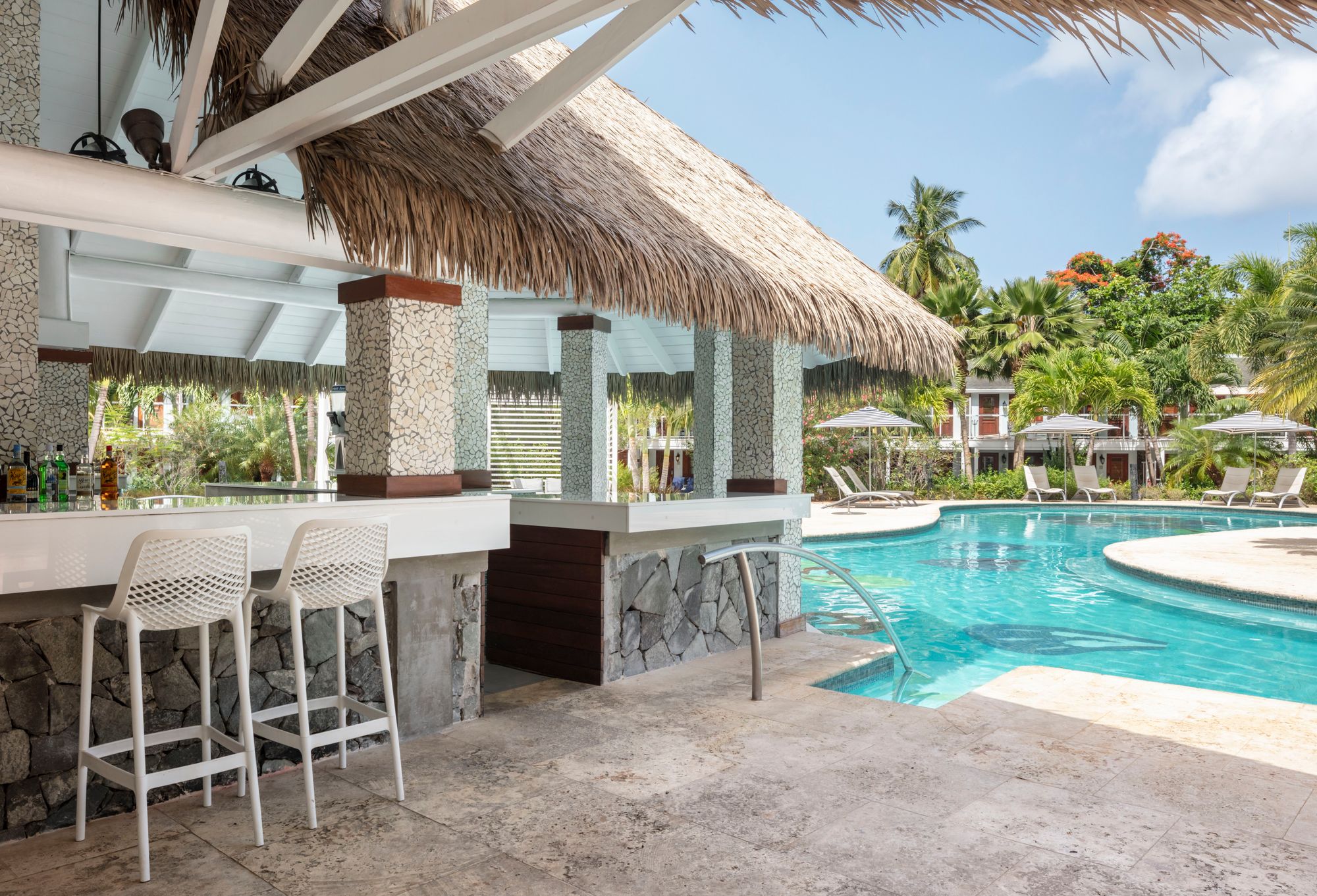
In the event you plan on spending time at a seashore bar, a rum store, or any vigorous gathering on the island, there are a couple of phrases you can be looking out for. In the event you can bear in mind to make use of any of them whereas on trip at one of many all-inclusive resorts in Saint Lucia, even higher!
Maintain an ear out for these:
“Ti ponche” is a small however sturdy drink made with white rum, lime, and cane syrup, and it’s beloved by many. “Lime” means to hang around and socialize, the Saint Lucian model of simply vibing with good individuals. “Fète” means occasion or celebration. “Ka dansé” means dancing. “Doudou” and “Chéri” are phrases of endearment you would possibly hear exchanged between individuals who like one another. “Mako” is what you name the nosy individual within the nook attempting to listen to all people’s enterprise. There’s at all times one.
Saint Lucia Lingo: Language, Pleasure, and Island Identification
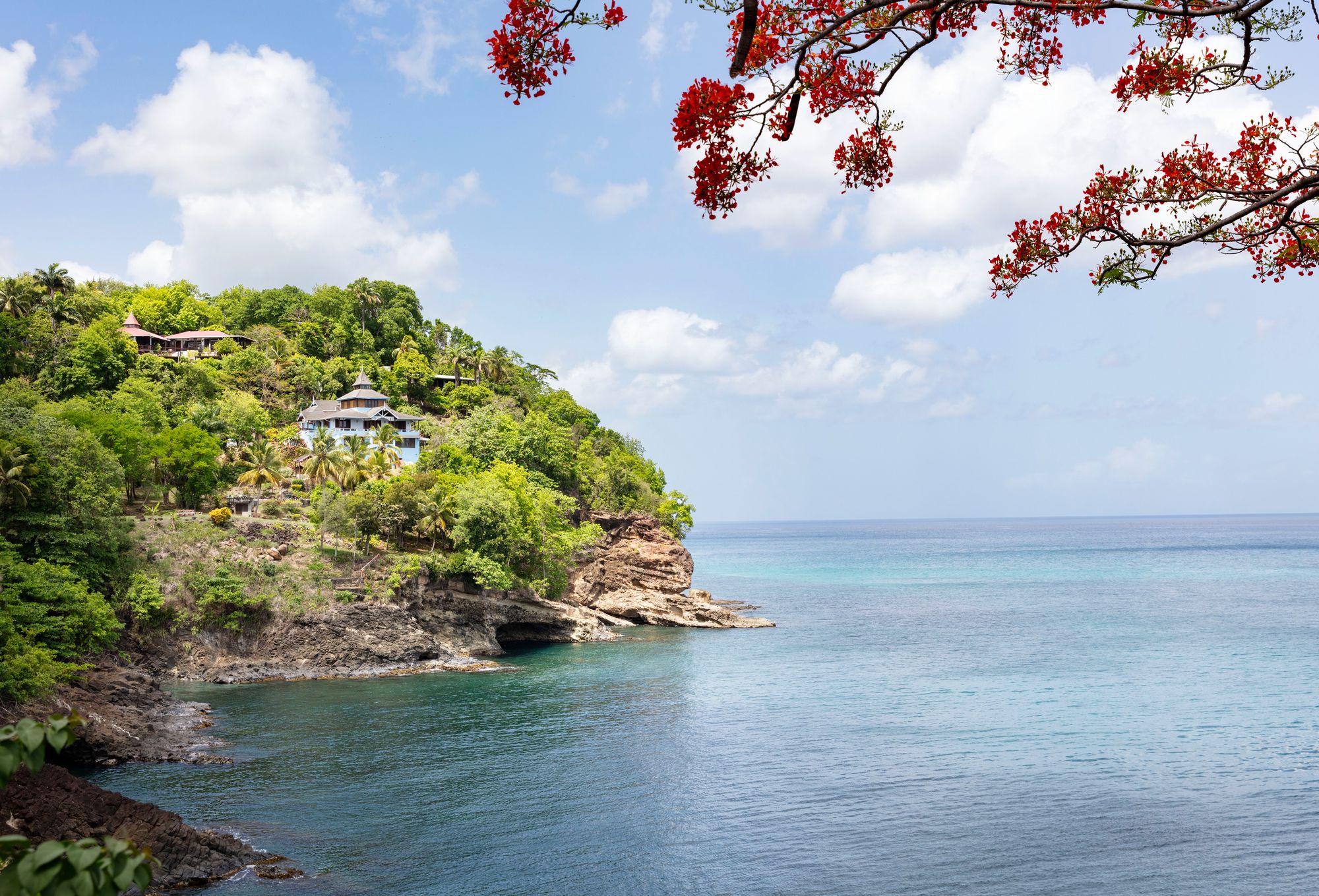
So, now we’ve come to the tip. To be utterly trustworthy, even I discovered some issues by all of it. I think a few of these might need been the Kwéyòl communicate my dad and mom spoke of their cellphone chats, whereas us youngsters hung round oblivious. It is a great factor that after spending years being pushed to the aspect in formal settings, and being handled as much less polished than Normal English, Kwéyòl is as soon as once more getting the popularity it deserves.
How have issues modified? Properly, as we speak Saint Lucians rejoice the language brazenly, and October’s Jounen Kwéyòl brings the entire island collectively in madras, music, conventional meals, and the sort of delight that doesn’t want clarification. Kwéyòl is on radio, in colleges, in music, and in each nook of on a regular basis life. It’s not only a language, it’s how Saint Lucians acknowledge one another throughout a room, throughout a metropolis, or throughout an ocean. And whether or not it’s spoken absolutely, or as a part of the island’s slang and in its fashionable phrases and phrases, it’s one thing you can embrace as a part of your all-inclusive seashore escape.
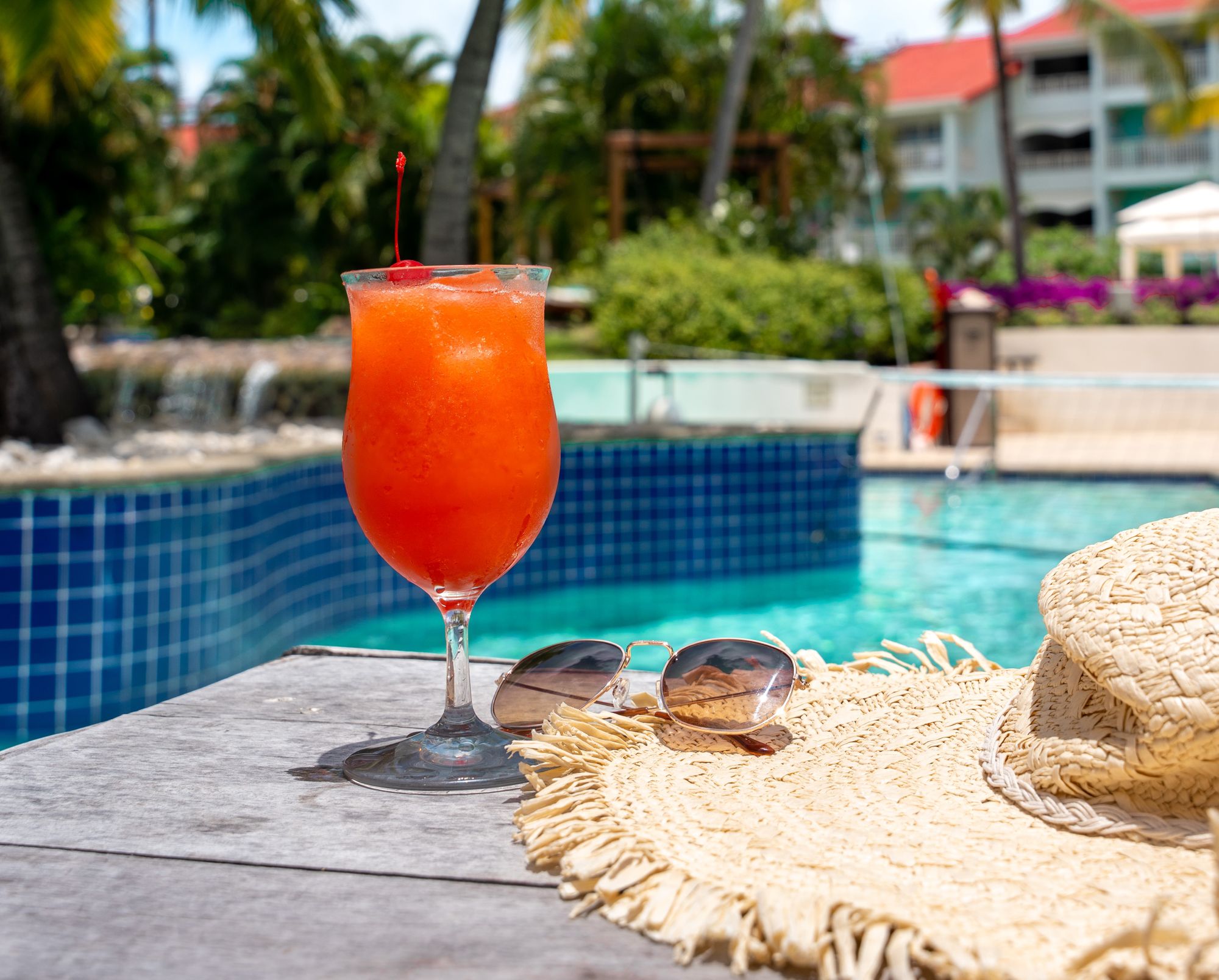
Image: Include an open ear, a superb urge for food, and island-inspired cocktails at an all-inclusive resort in thoughts, and let the island discuss to you. Alé!
FAQs
Is English spoken in Saint Lucia?
Sure. English is the official language, utilized in colleges, authorities, and most formal settings throughout the island.
Can guests perceive Kwéyòl simply?
Some phrases might sound acquainted if you already know French, however Kwéyòl is exclusive. Most locals additionally communicate English, so communication is normally simple for guests.
The place will I hear Kwéyòl in Saint Lucia?
You’ll hear it in informal conversations, markets, music, storytelling, and on a regular basis interactions, particularly exterior formal or tourist-heavy settings.
Do youthful individuals nonetheless communicate Kwéyòl?
Sure, although utilization can differ. Many younger Saint Lucians perceive and communicate Kwéyòl, usually mixing it with English or native slang.
What’s one of the best ways to expertise native Saint Lucian tradition?
Spend time exterior of guidebooks, discuss with locals, discover markets, hearken to conversations, and take note of on a regular basis language and expressions.
The place is one of the best place to remain in Saint Lucia for an immersive expertise?
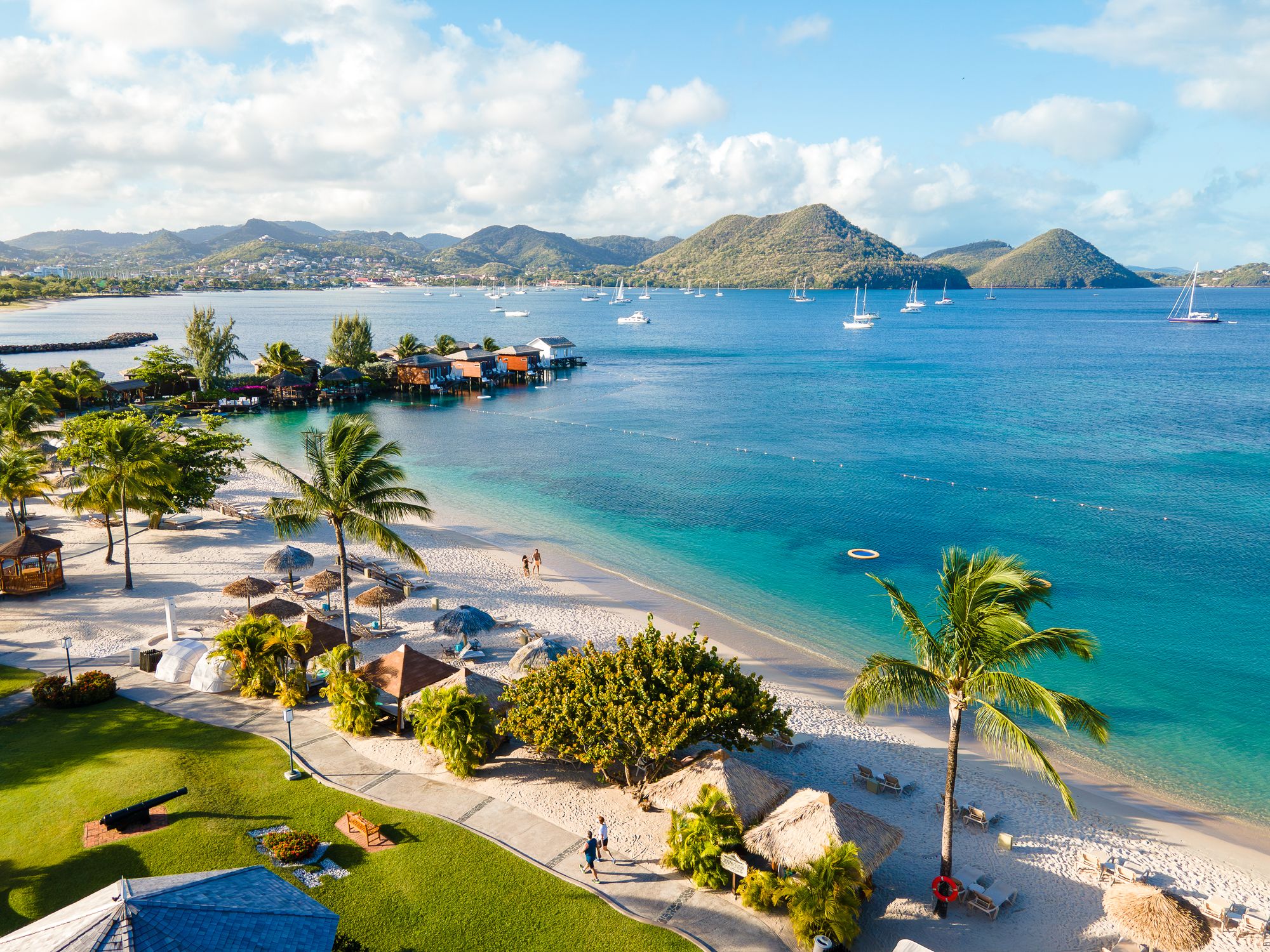
For a deeper connection to island life, many travellers select all-inclusive stays at Sandals Resorts in Saint Lucia. There are three places on the island, every providing a distinct technique to expertise the tradition, shoreline, and rhythm of Saint Lucian life.
Will I have the ability to be taught Saint Lucian Kwéyòl (Patwa) on trip?
Sure. Whilst you gained’t turn into fluent in a brief keep, you’ll be able to positively decide up frequent Kwéyòl phrases and phrases by on a regular basis interactions, greetings, and native expressions heard across the island.
What if I don’t perceive the language in Saint Lucia?
No worries in any respect. English is extensively spoken, and most locals change simply between English and Kwéyòl. Communication is usually easy, and individuals are very welcoming in case you ask for clarification.
What’s a must-do tour in Saint Lucia?
A number of come up repeatedly: catamaran cruises, the Pitons, and the Sulphur Springs mud baths (see Soufriere travel guide). They’ve at all times been native favorites, and lately acquired a contemporary wave of consideration after streamer Ishowspeed stopped by on his Caribbean tour.
What’s the greatest space in Saint Lucia for first-time guests?
Most first-timers head north, the place you will discover loads of choices for the place to remain, together with three Sandals Resorts, plus seashores and facilities proper in your doorstep. The west coast is a favorite too, for calm water and native really feel. Guided excursions make it simple to see extra of the island at your personal tempo.
